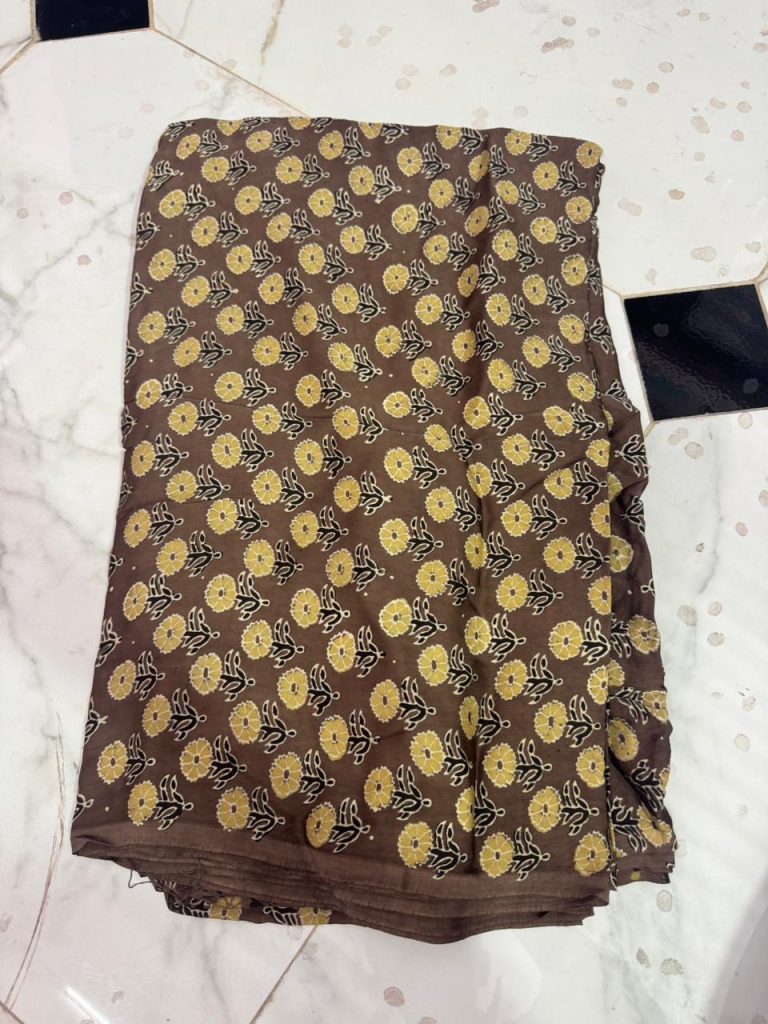
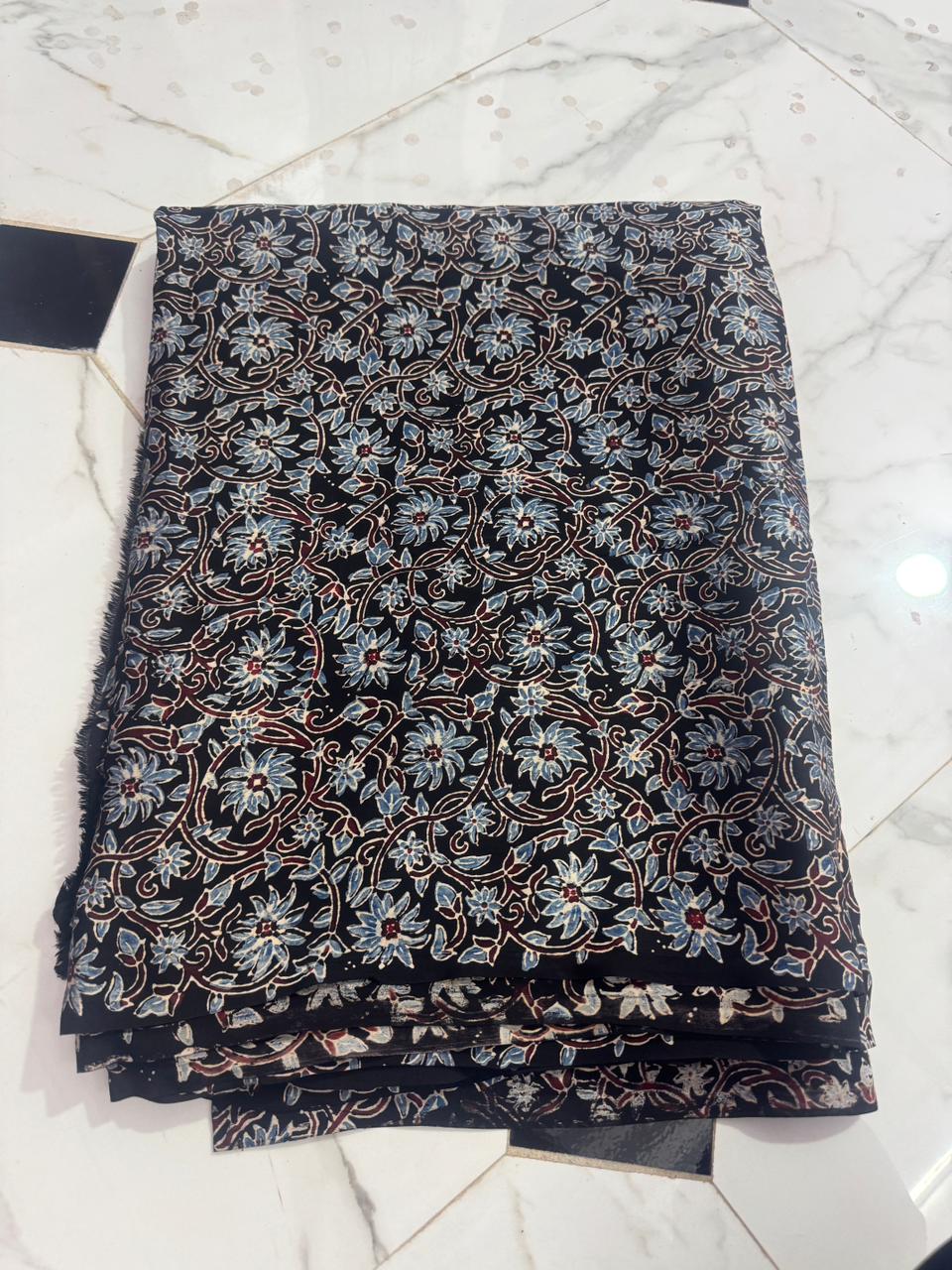
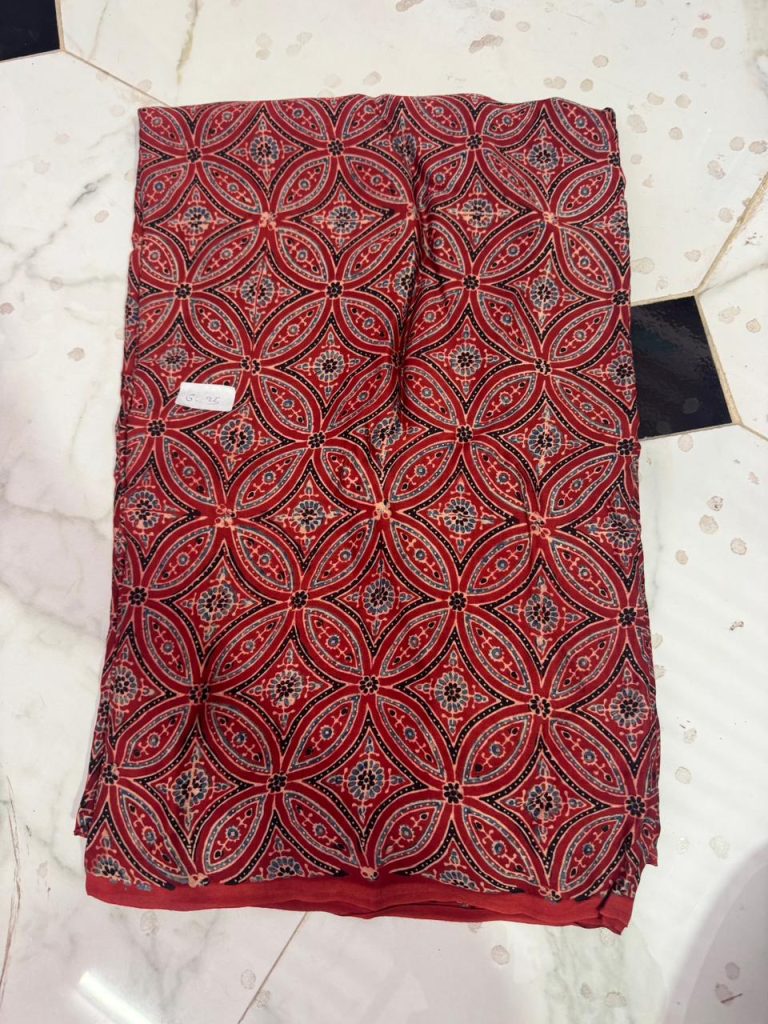
Ajrakh Fabric by the Metre – Block Printed, Naturally Dyed, Wholesale Ready.

Fabric is where everything starts. Before a saree is draped, before a kurta is cut, before a dupatta is folded – there’s fabric. And the fabric you choose sets the ceiling for everything that follows. If you’ve been sourcing printed fabric for your label, your boutique, or your brand, and you want something that holds a story as well as it holds colour… this is where that search ends.

What Ajrakh Fabric Actually Is – And Isn’t

Let’s be clear about one thing. Ajrakh isn’t a print style you can replicate quickly on a digital press.

It’s a hand block printing technique rooted in Kutch, Gujarat, carried out through a sequence of resist applications, natural dye baths, and wash cycles that are done in a specific order for a reason. Each step builds on the last. Skip one, and the final result changes. The geometry of Ajrakh patterns is precise, fine repeat blocks, symmetrical layouts, and border-to-body coordination that takes practice to execute consistently.

What you get in the end is fabric with character. Depth. A print that looks different from the front and the back, and that settles into the weave rather than sitting on top of it.

The Natural Dye Process: Why It Takes as Long as It Does

No synthetic dyes. That’s a deliberate choice, not a marketing line.

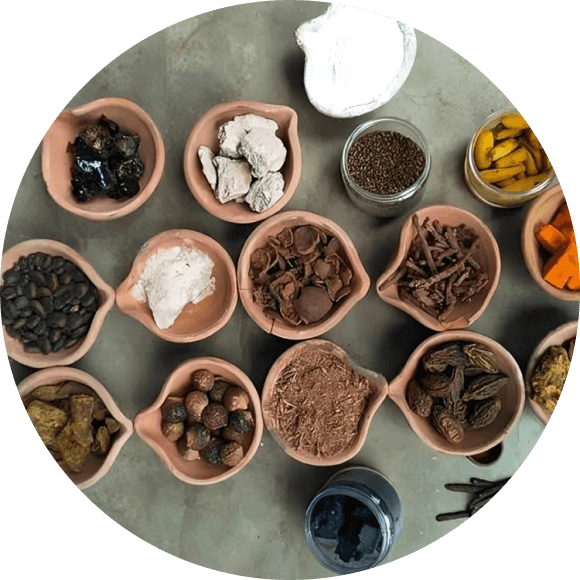
Indigo builds the blues through repeated dipping and oxidisation, not a single soak. Madder root gives you the reds, the maroons, the brick tones that Ajrakh is known for. Pomegranate rind, dried and processed, yields warm yellows. Iron and jaggery, fermented together over time, produce the deep black. Before any of this starts, the fabric is pre-treated with Harda, a natural mordant, which prepares the fibre to absorb and hold the dye properly. Alum is also used through the process to stabilise reds and help the colour set.

This is why Ajrakh fabric generally holds its colour well through wash. The dye has bonded with the fibre, not just coated it.

Why Choose

Ajrakh by Juned

15 Years of Excellence

Crafting authentic Ajrakh textiles with traditional techniques passed down through generations.

Master Craftsmen

Led by Khatri Juned Ganimamad, our artisans are experts in the intricate Ajrakh block printing process.

Global B2B Partner

Global B2B Partner

Serving wholesale clients worldwide with premium quality traditional textiles from Kutch.

Fabric Base: What Gets Printed On

The hand block printing process works best on natural base fabrics. Cotton is the most commonly used – it absorbs natural dye well, handles the multi-wash process without distortion, and produces a clean print with good contrast. Modal is also used and gives a slightly softer drape with a silkier finish.

The choice of base fabric affects how the dye takes, how the block impression reads, and how the finished fabric handles. It’s not just a material preference – it’s a production decision. If you have a specific fabric requirement for your end product, that’s a conversation to have before the order goes through.

The Takeaway

If you’re looking for Ajrakh fabric wholesale in India and you want the real thing, naturally dyed, hand block printed, sourced from the craft’s actual origin, the options narrow quickly when you apply those filters. This workshop clears them.

The fabric is made here. The craft is real. The MOQ is fair. And the person you’re buying from is the person who made it.

Connect with Juned Khatri directly – fabric samples, colourway discussions, and wholesale orders, without the middleman markup.

Ajrakh Fabric

Natural Dyes Used in Ajrakh

In Ajrakh printing, only natural dyes are traditionally used. These colors come from plants, minerals, and natural fermentation processes. Each color is developed through slow, careful dyeing methods, ensuring long-lasting shades, skin-safe fabric, and an authentic handcrafted finish.

Indigo (Blue)
Derived from the Indigofera plant, providing the iconic deep navy base that defines traditional Ajrakh.
Indigo
Madder Root (Red / Maroon)
Utilizing the roots of the Madder plant to achieve rich crimson, rust, and maroon earth tones.
Madder Root
Pomegranate (Yellow)
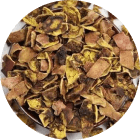
Dried Anar peels yield shades ranging from bright primrose to warm mustard yellows.
Pomegranate
Natural Dyes Used in Ajrakh
Iron & Jaggery
Iron & Jaggery (Black)
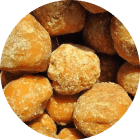
A unique fermentation of rusted iron and sugar (Gur) creates a permanent, non-toxic deep black.
Harda
Harda (Myrobalan)
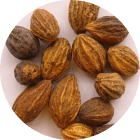
The fabric is first pre-treated with Harda, a natural mordant that provides a soft yellow base and prepares the fibers to bond perfectly with our organic dyes.
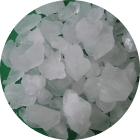
Alum
Alum (Fitkari)
As a traditional mineral mordant, Alum is essential for bringing out vibrant reds and stabilizing our organic colors within the fabric fibers.