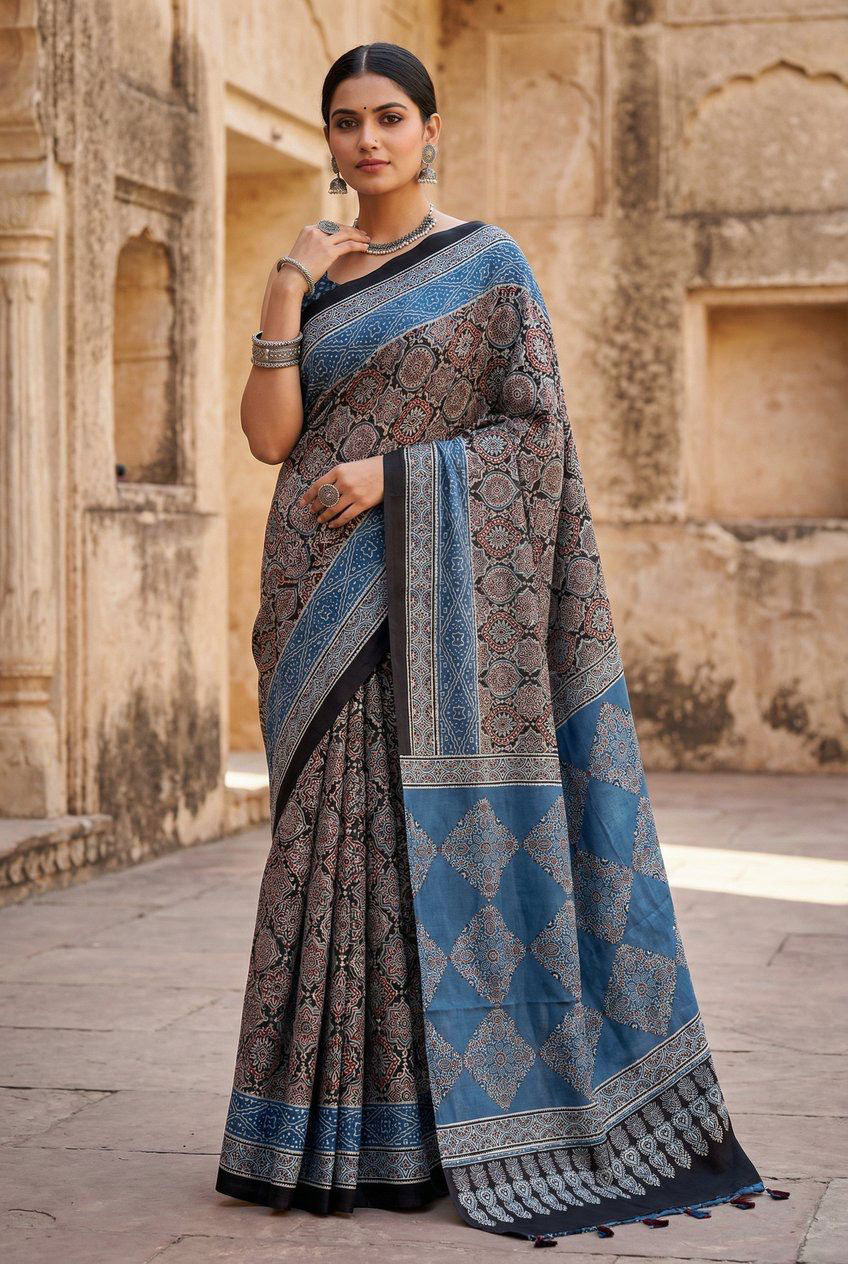
Ajrakh Sarees: Handcrafted in Kutch, Built for the Discerning Buyer.

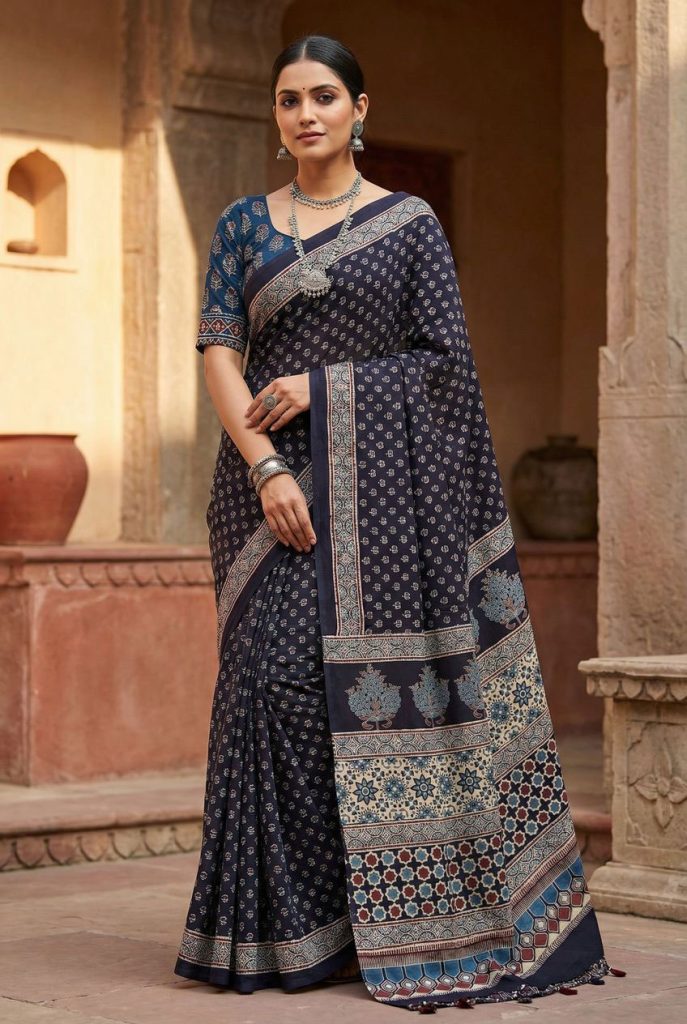
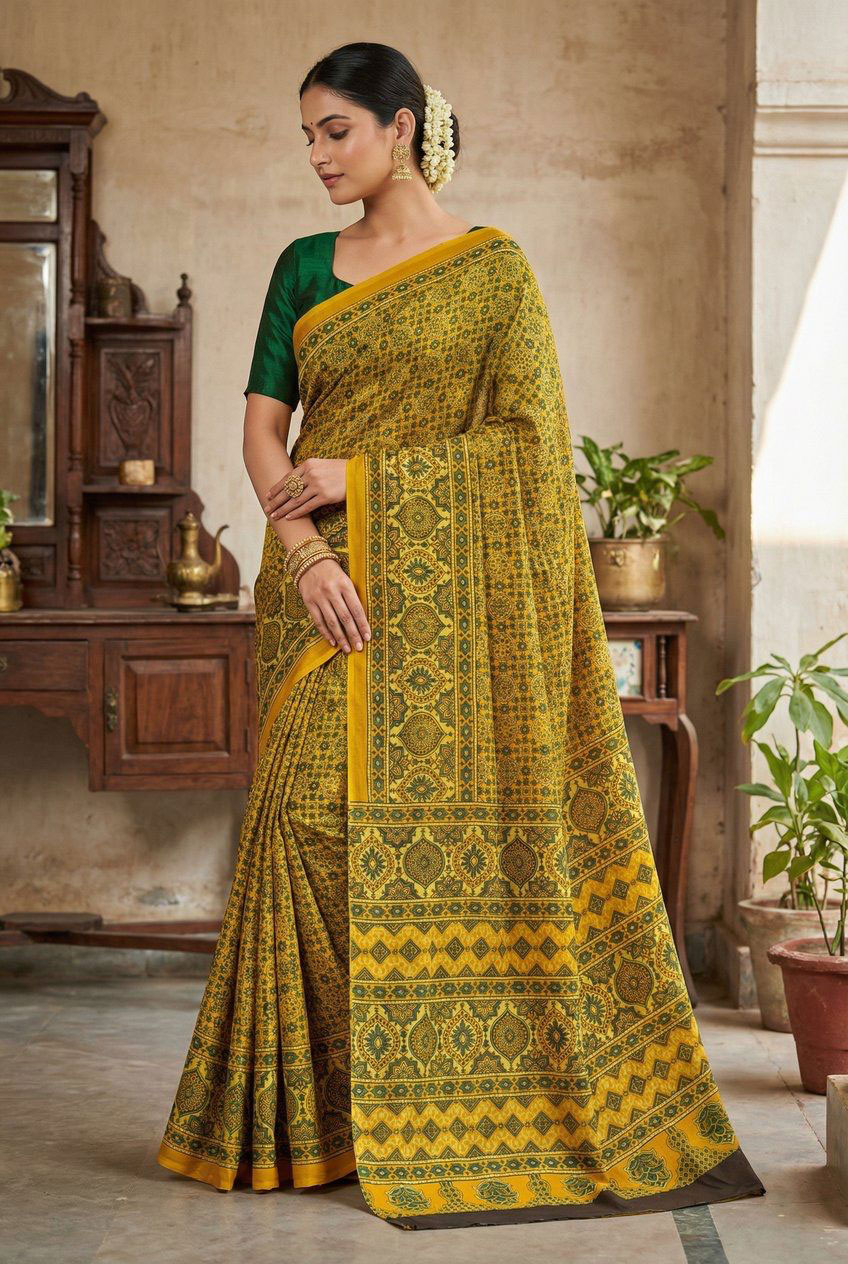
There’s a difference between a saree that’s printed and a saree that’s made. The block sits on the fabric. The craftsman reads the repeat. The dye settles into the weave – not on top of it, but into it. That’s Ajrakh. And if you’ve been looking for an Ajrakh saree wholesaler in India who sources directly from the artisan’s workshop, you’re in the right place.
Ajrakh-Saree-1

What Makes an Ajrakh Saree Different From the Rest

Not all hand block-printed sarees are Ajrakh. The technique matters. The sequence matters.

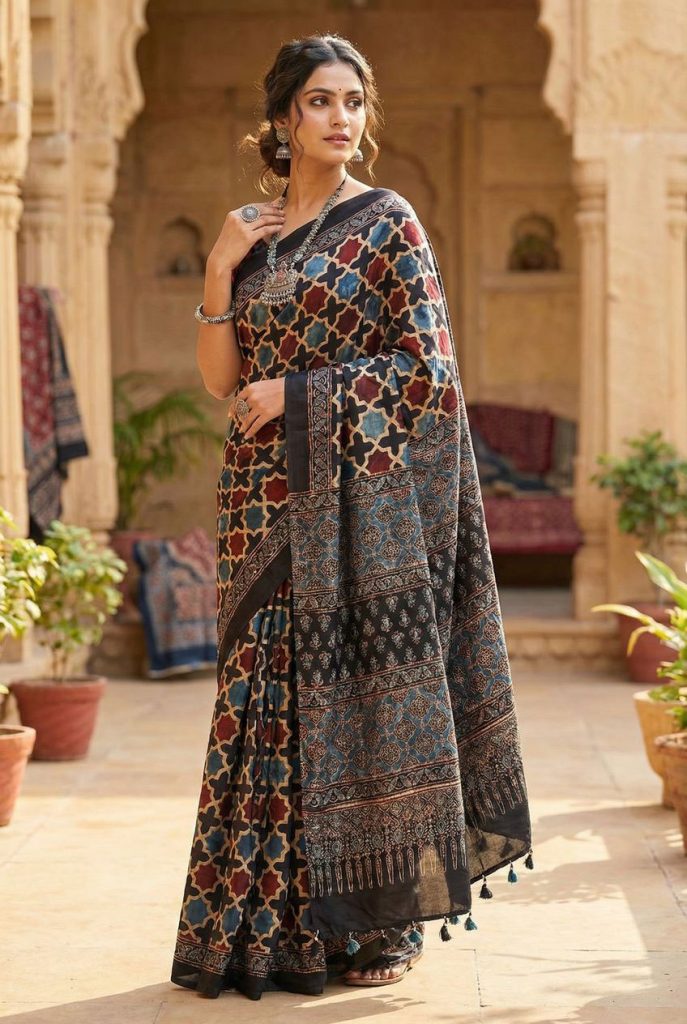
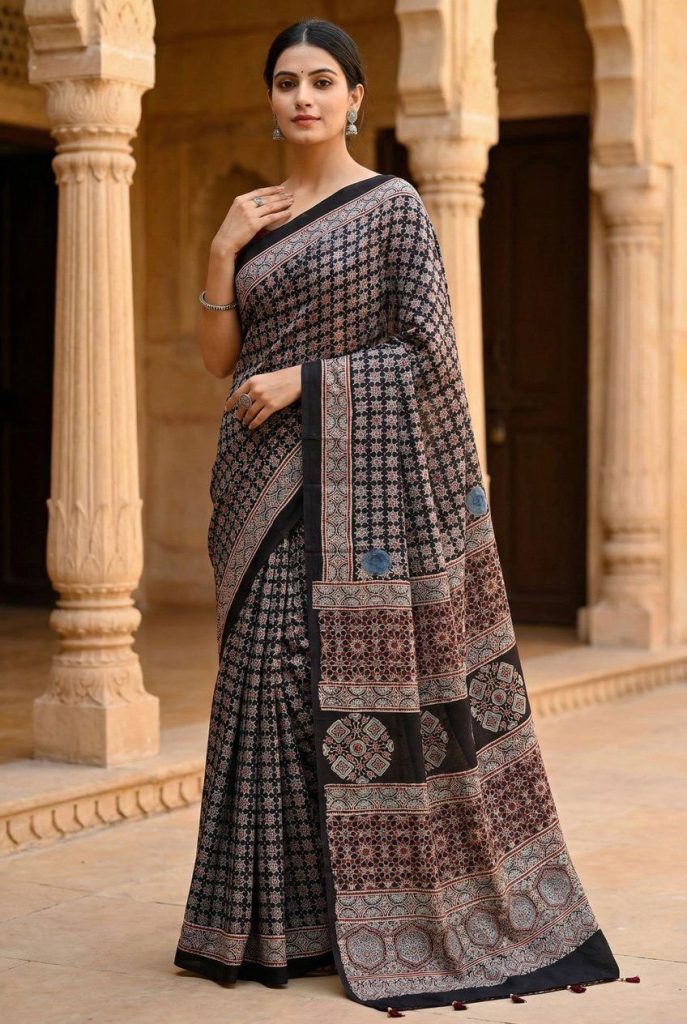
Ajrakh printing follows a multi-step resist-dyeing process – where portions of the fabric are deliberately blocked off before each dye bath, so layers of colour can be built up gradually, pass by pass. The result isn’t a surface print you can scratch away. It’s a layered geometric pattern that has been part of the Kutch textile tradition for centuries, carried forward by families who treat it as craft, not output.

The precision demanded is high. One misaligned block repeat and the symmetry breaks. Experience isn’t optional here, it’s the craft itself.

The Dyes Behind Every Colour

Natural. That’s the non-negotiable.

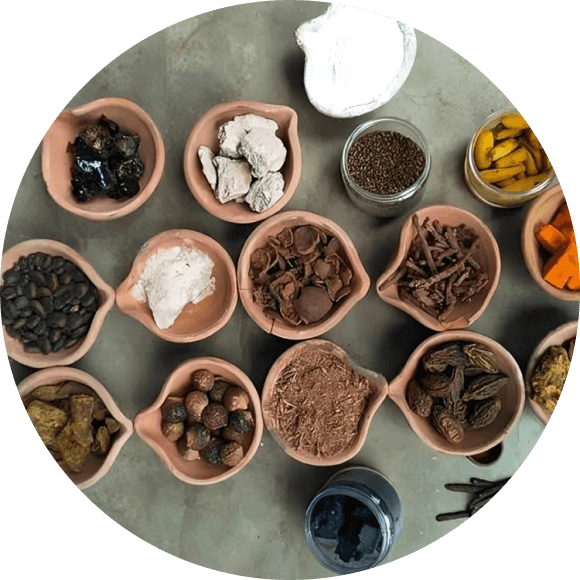
Every Ajrakh saree from this workshop uses natural dyes, no synthetic fillers, no chemical shortcuts. Indigo gives you that deep navy base. Madder root pulls out the reds and maroons. Dried pomegranate rind yields warm yellows. Iron and jaggery, fermented together, create a permanent black that generally holds well through regular wash. Before any colour touches the fabric, it’s first treated with Harda – a natural mordant that prepares the fibres to bond properly with the dye.

The process is slow by design. That’s the point.

Why Choose

Ajrakh by Juned

15 Years of Excellence

Crafting authentic Ajrakh textiles with traditional techniques passed down through generations.

Master Craftsmen

Led by Khatri Juned Ganimamad, our artisans are experts in the intricate Ajrakh block printing process.

Global B2B Partner

Global B2B Partner

Serving wholesale clients worldwide with premium quality traditional textiles from Kutch.

Fabric, Feel, and Finish

The sarees are typically printed on natural fabrics – cotton and modal being the most common – which pair naturally with the dye process. The hand-feel is soft. The drape sits clean. Because the dyeing happens through a multi-wash, multi-dye sequence, the fabric comes out breathable and skin-safe.

For a wholesale buyer, this matters more than it sounds. Your customers will ask about fabric content. They’ll ask about wash care. And they’ll come back or they won’t – based on whether the saree holds its colour and shape after regular use. These sarees are made to do exactly that.

What Wholesale Buying Actually Looks Like Here

MOQ starts from as few as 5 sarees per order.

That makes it genuinely accessible for boutique retailers, independent store owners, and exhibition sellers without locking up large capital in inventory before you’ve tested the market. You’re not forced into a bulk commitment just to get started.

Custom colour preferences and pattern discussions are possible through direct conversation. If you have a specific regional palette your customers lean toward, or a fabric preference to factor in, that conversation happens directly with the craftsman. No intermediary relay. You say it, it gets heard.

Ajrakh-Saree-2

Why the Origin Ajrakhpur Actually Matters

Not every seller offering “Ajrakh” has a genuine Ajrakhpur connection. Plenty don’t.

Ajrakhpur is a village on the outskirts of Bhuj in Kutch, Gujarat and it’s where this craft originates, practised with the most consistency by families who have been in it for generations. Juned Khatri is based there. His workshop is there. The craft didn’t travel to him — he grew up inside it, and has been working it since 2012.

When you source from here, the provenance is real. That’s something you can communicate to your customers with confidence and in today’s market, that story has commercial value.

Why Buyers Come Back

Consistency. That’s usually the answer when you ask.

In handcraft, consistency is the hardest thing to guarantee at scale. But when one craftsman controls the process end-to-end, the block preparation, the dyeing, the printing, the finishing…the margin for variation narrows significantly. You’re not dealing with a middleman averaging output from multiple workshops. What you see in the sample is, generally, what arrives in the bulk order.

That kind of reliability builds trade relationships that last. Quietly. Over time.

Ajrakh Art

Ajrakh Block Print by Juned

Preserving the ancient art of Ajrakh with 15 years of dedicated craftsmanship.
Your trusted B2B partner for premium traditional textiles.

Ajrakh-Saree-3
Ajrakh-Saree-4
Ajrakh-Saree-5

Natural Dyes Used in Ajrakh

In Ajrakh printing, only natural dyes are traditionally used. These colors come from plants, minerals, and natural fermentation processes. Each color is developed through slow, careful dyeing methods, ensuring long-lasting shades, skin-safe fabric, and an authentic handcrafted finish.

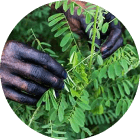
Indigo (Blue)
Derived from the Indigofera plant, providing the iconic deep navy base that defines traditional Ajrakh.
Indigo
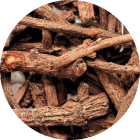
Madder Root (Red / Maroon)
Utilizing the roots of the Madder plant to achieve rich crimson, rust, and maroon earth tones.
Madder Root
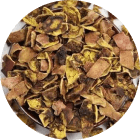
Pomegranate (Yellow)
Dried Anar peels yield shades ranging from bright primrose to warm mustard yellows.
Pomegranate
Natural Dyes Used in Ajrakh
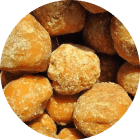
Iron & Jaggery
Iron & Jaggery (Black)
A unique fermentation of rusted iron and sugar (Gur) creates a permanent, non-toxic deep black.
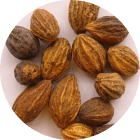
Harda
Harda (Myrobalan)
The fabric is first pre-treated with Harda, a natural mordant that provides a soft yellow base and prepares the fibers to bond perfectly with our organic dyes.
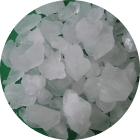
Alum
Alum (Fitkari)
As a traditional mineral mordant, Alum is essential for bringing out vibrant reds and stabilizing our organic colors within the fabric fibers.

Conclusion

If you’re building a collection around authentic Indian textiles, Ajrakh sarees are worth taking seriously. The craft has depth, the market appetite for natural-dye products is growing, and buyers who understand quality will pay accordingly. What you need is a source you can actually trust – one that’s rooted in the genuine tradition, not just trading on a name.

Talk to Juned Khatri directly – samples, pricing, and bulk orders handled without the middleman chain.